Senior Rabbit Care: A Loving Guide
How to care for an older rabbit, from softer food and easier access to joint support, grooming help, and more frequent vet checks. Keep your senior bunny comfortable.
There is something especially tender about caring for an older rabbit. The bond you have built over years deepens, and your bunny, now a little grayer around the muzzle and a little slower to binky, leans on you in new ways. Most rabbits live around eight to twelve years, and they are generally considered senior from about six to eight. The senior years are not something to dread. With a few thoughtful adjustments, they can be some of the most peaceful, affectionate, and rewarding of your whole journey together.
This guide walks you through what changes as a rabbit ages and how to adapt: diet, comfort, grooming, mobility, and the rhythm of vet care. It is educational and not a substitute for the guidance of a rabbit-savvy exotic vet, who becomes an even more important partner as your rabbit grows old.
Comfort Picks for Senior Rabbits


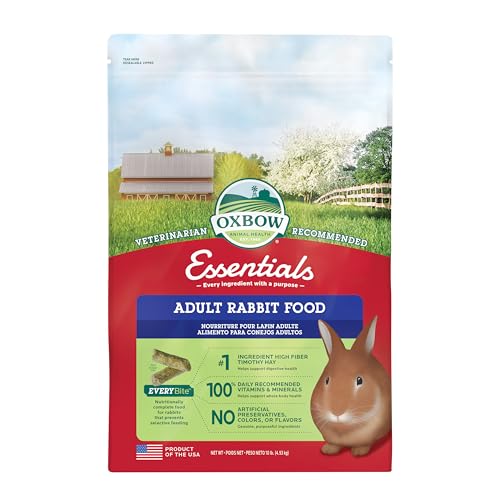
Oxbow Oxbow Essentials Adult Rabbit Food
Timothy-based pellets to help maintain weight in older rabbits

What Changes With Age
Aging in rabbits is usually gradual rather than sudden. You might notice your rabbit moving a little more stiffly, hesitating before a jump it used to make easily, sleeping more, grooming itself less thoroughly, or losing or gaining a little weight. Teeth can wear unevenly over the years, the gut tends to slow down, and conditions like arthritis, dental disease, kidney changes, and cloudy eyes become more common. None of this means decline is inevitable or rapid. It simply means your job shifts toward noticing changes early and smoothing your rabbit's path.
Diet for an Older Rabbit
Hay stays the foundation. Unlimited grass hay should still make up around 80 percent of the diet to keep teeth worn down and the gut moving. The adjustments come around the edges:
- Softer hays: If dental wear makes coarse timothy hard to chew, softer orchard or meadow hay can be easier.
- Weight management: A thin, frail senior may need more pellets, or under vet guidance a return toward alfalfa, to hold weight, while an overweight one needs the opposite.
- Easy-to-eat greens: Continue fresh leafy greens your rabbit enjoys and can chew comfortably.
Because the right balance depends on your individual rabbit's teeth, weight, and appetite, make diet changes with your vet rather than following a one-size rule.
Rabbit Care Planner
Track your rabbit's health, meds, vet visits, mobility, nutrition, and quality of life, all in one printable planner.
Comfort and Mobility
A stiffer, slower rabbit benefits enormously from a home tweaked for easy living. Thick, soft, dry flooring cushions aging joints and protects against sore hocks, which older rabbits are more prone to because they rest more. Keep litter boxes, food, and water within easy reach, choosing low-entry boxes or adding gentle ramps so your rabbit does not have to strain or jump. A warm, draft-free, cozy resting spot helps an older body that feels the cold more. Little changes like these keep a senior rabbit moving and exploring rather than giving up on the parts of its space that have become hard to reach.
Grooming and Cleanliness
One of the most common signs of aging is a rabbit that can no longer groom itself well. Arthritis, extra weight, dental pain, or general frailty stop a rabbit twisting to clean its rear, which leads to a soiled bottom, mats, and scent-gland buildup. This is not just untidy; a dirty rear risks urine scald and flystrike. Step in by gently grooming your senior regularly, spot-cleaning soiled areas, never bathing, checking the scent glands, and keeping the weight healthy. If your once-tidy rabbit suddenly stops grooming, treat it as a clue worth a vet visit.
Vet Care for Seniors
As rabbits age, the value of regular veterinary checks rises sharply. Where a healthy adult may need a yearly visit, most exotic vets recommend a checkup every six months for senior rabbits. These visits let your vet weigh your rabbit, examine the teeth, feel for lumps, assess the joints, and sometimes run bloodwork to catch kidney or other internal changes early. Because older rabbits decline faster when something goes wrong, and because they hide illness so well, these routine checks are one of the kindest things you can do. Always see your vet sooner if anything changes in between.
A Gentle, Happy Old Age
Senior care is really about removing obstacles so your rabbit can keep enjoying life. Many older rabbits stay curious, playful, and deeply affectionate, savoring favorite foods, gentle exploration, and the company of their person or a bonded partner. With soft floors, easy access, food they can chew, good pain relief for arthritis, and a watchful, loving eye, the senior years become a calm and contented chapter. Your rabbit gave you years of joy; this is your chance to make its later days as comfortable and cherished as they can be.
Related Guides
- Signs Your Rabbit Is Getting Old - The early changes of aging to watch for.
- Senior Rabbit Diet - Adjusting food for older teeth and bodies.
- Arthritis in Rabbits - Spotting and easing joint pain.
Frequently Asked Questions
At what age is a rabbit considered senior?
Most rabbits are considered senior from around six to eight years of age, with the majority living roughly eight to twelve years overall. Smaller breeds tend to live longer and stay sprightly later, while giant breeds may show their age sooner. Age is really a guide rather than a switch: what matters is watching for the gradual changes that come with getting older, like a little stiffness, slower movement, or reduced grooming. Once your rabbit reaches about six, it is worth shifting to more frequent vet checks and a more observant daily eye.
How is caring for a senior rabbit different?
Senior care is about adapting to a body that is slowing down. Older rabbits often need softer, easier-to-eat food, help staying clean because they cannot groom as well, easier access to litter boxes and resting spots, softer flooring to protect aging joints, and more frequent vet checks to catch problems like arthritis, dental disease, and kidney issues early. You also become more vigilant, since prey animals hide illness and small changes matter more in an older rabbit. The goal is to keep your senior comfortable, clean, well-fed, and gently mobile.
How often should a senior rabbit see the vet?
While a healthy adult rabbit may need a checkup once a year, most exotic vets recommend that senior rabbits, roughly those over six, are seen every six months. These wellness visits let your vet weigh your rabbit, check teeth, feel for lumps, assess joints, and sometimes run bloodwork to catch kidney or other changes before they become obvious. Because older rabbits decline faster when something goes wrong, these regular checks are one of the best investments in a comfortable old age. Always see the vet sooner if anything changes between visits.
Do senior rabbits need a different diet?
Often, yes, though hay remains the foundation. Unlimited grass hay should still make up around 80 percent of the diet to keep teeth worn and the gut moving. Many seniors do well with softer hays like orchard grass if dental wear makes timothy hard to chew, and some underweight or frail older rabbits benefit from a switch back toward more pellets, or even alfalfa, under vet guidance. The key is to adjust based on weight, dental health, and appetite, working with your vet rather than applying a single rule to every older rabbit.
Why is my senior rabbit not grooming itself?
Reduced self-grooming is one of the most common and telling signs of aging. Arthritis, obesity, dental pain, or general frailty can all stop an older rabbit from twisting to clean its back end, leading to a soiled bottom, mats, and waxy scent-gland buildup. This is not just cosmetic: a dirty rear risks urine scald and, in warm weather, flystrike. Help by gently grooming your senior regularly, spot-cleaning when needed, keeping it at a healthy weight, and having your vet address any arthritis or dental pain behind the change.
Can senior rabbits still be happy and active?
Absolutely. Many rabbits stay playful, curious, and affectionate well into old age, enjoying gentle exploration, favorite foods, and the company of their owner or a bonded partner. Senior care is not about winding life down; it is about removing obstacles so your rabbit can keep enjoying it. Soft floors, low-entry litter boxes, ramps to favorite spots, easy-to-eat food, and good pain management for arthritis all help an older rabbit stay engaged and content. With thoughtful adjustments, the senior years can be some of the most peaceful and loving of all.
How can I keep my senior rabbit comfortable?
Focus on softness, access, warmth, and cleanliness. Provide thick, soft, dry flooring to cushion aging joints and protect against sore hocks, keep litter boxes and food and water within easy reach with low entries or ramps, and ensure a warm, draft-free resting spot. Groom and spot-clean to make up for reduced self-grooming, feed food your rabbit can chew comfortably, and stay on top of pain relief and checkups with your exotic vet. Small daily kindnesses like these add up to a genuinely comfortable old age.
Need more help caring for your rabbit?
Browse our guides by topic to find practical solutions.
Wellness Planner: $39