Summer Heat Safety for Rabbits: A Cooling Guide
Rabbits overheat dangerously above 80F. Learn the warning signs of heatstroke, how to cool a bunny safely, and the products that keep rabbits cool all summer.
Of all the seasons, summer is the one that genuinely worries experienced rabbit owners. Rabbits are built for cool burrows, not warm rooms, and they handle a chilly winter far better than a hot afternoon. They cannot pant effectively the way a dog does, they cannot sweat, and they release most of their excess heat through the large blood vessels in their ears. That means a heat wave can turn dangerous fast, and heatstroke in rabbits is often fatal. The good news is that a little planning keeps your bunny safe and comfortable all season long.
This guide covers the temperatures to watch, the warning signs to memorize, and the simple, affordable setup that helps a rabbit ride out the hottest weeks of the year.
Keep Your Rabbit Cool This Summer

A naturally cool ceramic tile a rabbit can flop on to shed body heat, with nothing to chew through.
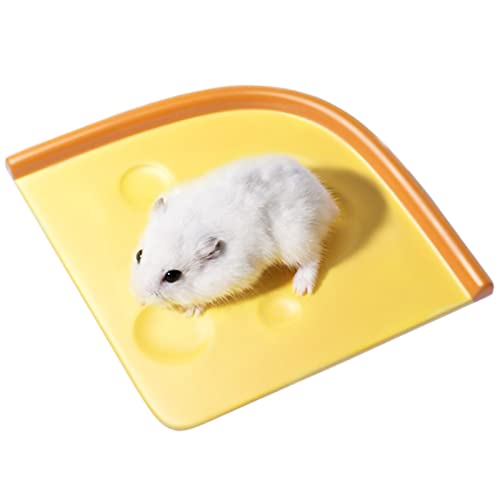
A heavier stone pad that stays cool for hours in a shaded spot, ideal for hot afternoons.

A tip-proof open bowl encourages the steady drinking that helps prevent overheating.

Small Pet Select Timothy Hay for Rabbits
Unlimited grass hay stays the diet's foundation year round, even in summer.
Why Rabbits Struggle in the Heat
A rabbit's ideal temperature range sits somewhere around 55 to 70 degrees Fahrenheit. They stay comfortable a bit above that, but once the air pushes past roughly 77 to 80 degrees, they begin to struggle, and above 85 degrees the danger of heatstroke climbs sharply. Humidity makes everything worse, because a rabbit's limited cooling methods depend on dry air to work at all.
Unlike us, rabbits have very few options for cooling down. They cannot sweat across the body, and panting is a sign of severe distress rather than an everyday tool. Their main strategy is to flush warm blood through their ears and let it cool there, which is why floppy lop ears put some rabbits at a disadvantage. A burrow in the wild stays cool and stable, but a living room or a hutch in the sun can climb well past a safe temperature without you noticing.
Know the Warning Signs of Heatstroke
Because rabbits hide illness instinctively, heatstroke can advance before an owner realizes anything is wrong. Memorize these signs so you can act fast:
- Fast or labored breathing, sometimes with the sides heaving.
- Lying stretched fully flat and reluctant to move.
- Hot ears, then ears that turn very red or, worryingly, pale.
- Drooling or wetness around the mouth and nose.
- Lethargy, tremors, confusion, or collapse as it worsens.
Open-mouth panting means your rabbit is already in serious trouble. Treat any of these as an emergency, begin gentle cooling, and call a rabbit-savvy or exotic vet immediately. Heatstroke can cause internal damage that is not visible on the surface, so professional care matters even if your rabbit seems to recover.
How to Cool an Overheating Rabbit
If you suspect heatstroke, move your rabbit to the coolest room you have right away. Mist or dab cool, not icy, water onto the ears, which are the body's radiator, and gently wet the belly and feet. Offer cool drinking water and a chilled leafy green. Never submerge a rabbit in cold water or pack ice against the body, because a sudden cold shock can be as dangerous as the heat itself. Cool steadily and gradually while you arrange veterinary care.
Setting Up a Cool Summer Space
Prevention is far easier than treatment. For indoor rabbits, air conditioning is the gold standard during a heat wave. Keep blinds closed against the afternoon sun, and place a ceramic cooling tile or stone pad in your rabbit's favorite resting spot so they can choose to lie on it. A frozen water bottle wrapped in a towel gives a cool surface to lean against, and a fan circulating air across the room helps, as long as it is never aimed straight at your rabbit.
Hydration is your other great defense. A heavy, tip-proof ceramic bowl encourages more drinking than a sipper bottle, and a few ice cubes on a hot day are welcome. Offer extra washed, water-rich greens like romaine and cucumber alongside the usual unlimited hay. Mist the ears lightly on very hot days if your rabbit tolerates it.
Outdoor Rabbits Need Extra Care
Outdoor hutches are the highest-risk setup in summer. Move the hutch into deep, permanent shade, never against a sunny wall that soaks up and radiates heat, and check it through the day as the sun moves. Add cooling tiles and cloth-wrapped frozen bottles, and refresh the water several times daily. When a real heat wave hits, the safest decision is simply to bring your rabbit indoors to a cooler room. Many owners move outdoor rabbits inside entirely for the hottest weeks, and there is no shame in doing so.
A Quick Summer Temperature Guide
| Temperature | What It Means for Your Rabbit |
|---|---|
| 55 to 70 F | Ideal comfort range |
| 70 to 77 F | Generally fine, offer shade and water |
| 77 to 85 F | Add active cooling, watch closely |
| Above 85 F | High heatstroke risk, take urgent steps |
With shade, cool surfaces, steady hydration, and a careful eye during heat waves, your rabbit can stay safe and comfortable all summer. When in doubt, cooler is always safer for a rabbit, and a rabbit-savvy vet is your best resource if you ever see signs of heat distress.
Rabbit Care Planner
Track your rabbit's health, meds, vet visits, mobility, nutrition, and quality of life, all in one printable planner.
Related Seasonal Care Guides
Frequently Asked Questions
At what temperature do rabbits get heatstroke?
Rabbits are far more sensitive to heat than to cold. They are most comfortable between about 55 and 70 degrees Fahrenheit and start to struggle once the air climbs past roughly 77 to 80 degrees. Above 85 degrees the risk of heatstroke becomes serious, and high humidity makes it worse because rabbits cannot pant or sweat effectively. A rabbit kept in a hot room, a sunny hutch, or a parked car can overheat within minutes, so plan ahead before a heat wave rather than reacting once your rabbit is already in distress.
What are the signs of heatstroke in a rabbit?
Early warning signs include fast or labored breathing, lying stretched fully flat, hot ears, drooling or wetness around the mouth, and lethargy or reluctance to move. As it worsens you may see red or very pale ears, tremors, confusion, and collapse. A rabbit panting through an open mouth is already in trouble. Heatstroke can be fatal quickly, so treat any of these signs as an emergency: cool the rabbit gradually and call a rabbit-savvy or exotic vet right away rather than waiting.
How do I cool down an overheating rabbit safely?
Move your rabbit to a cool, shaded room immediately. Mist or dab cool, not ice-cold, water onto the ears, since the ears are how rabbits shed heat, and gently wet the fur on the belly and feet. Offer cool water and a piece of chilled vegetable. Never plunge a rabbit into cold water or use ice directly, as the sudden temperature shock can cause more harm. Cool gradually while you arrange emergency veterinary care, because internal damage from heatstroke is not always visible on the surface.
Do rabbits need a fan in summer?
A fan can help move air through a room, but never aim it directly at your rabbit, since a constant draft on the body can chill them unevenly and dry their eyes. Instead, position the fan to circulate air across the space and create a cooler environment overall. Pair gentle airflow with shade, a cooling mat, and a frozen water bottle wrapped in a towel that your rabbit can lean against. Air conditioning is the most reliable way to keep an indoor rabbit safe through a heat wave.
Can I put ice cubes in my rabbit's water?
Yes, a few ice cubes in the water bowl on a hot day are fine and can encourage drinking, which is one of the best defenses against overheating. Use a heavy ceramic bowl that will not tip, since rabbits drink more readily from an open bowl than a sipper bottle. You can also offer washed, water-rich greens like romaine and cucumber to boost hydration. Just keep the bulk of the diet as hay, and treat the extra greens and ice as summertime hydration support rather than a meal replacement.
How do I keep an outdoor rabbit cool in summer?
Outdoor rabbits are especially vulnerable, so move the hutch into deep, constant shade and well away from direct sun, never against a sunny wall that radiates heat. Add a ceramic cooling tile and frozen water bottles wrapped in cloth for them to rest against, and refresh the water several times a day. During a serious heat wave, the safest choice is to bring your rabbit indoors to a cooler room. Many owners shift outdoor rabbits inside entirely for the hottest weeks of the year.
Are some rabbits more at risk of overheating?
Yes. Lop-eared breeds shed heat less efficiently because their ears, the main cooling surface, are folded down rather than raised. Long-haired breeds such as Angoras carry extra insulation and overheat faster, so a summer trim of the coat can help. Overweight rabbits, very young or senior rabbits, and any rabbit with breathing or heart issues are also higher risk. If your rabbit falls into one of these groups, be extra diligent with shade, cooling aids, and indoor temperature control through the warm months.
Need more help caring for your rabbit?
Browse our guides by topic to find practical solutions.
Wellness Planner: $39