Best Rabbit Litter Boxes: Sizes & Styles Compared
The best litter boxes for rabbits: roomy rectangular pans, corner trainers, and high-back styles. How to pick by size, entry height, and your rabbit's habits.
The litter box you choose has a real effect on how reliably your rabbit uses it. The most common mistake is buying a box that is simply too small, since rabbits like to sit fully inside and munch hay while they go. A roomy, easy-to-enter box solves most training frustrations before they start.
Below we compare litter box styles that suit different rabbits, from roomy rectangular pans to corner trainers and high-back models that contain spray. Our picks reflect size guidance from the House Rabbit Society, entry accessibility, and verified owner reviews rather than personal testing, so match the choice to your own rabbit's size and mobility.
Best Rabbit Litter Boxes

RUBYHOME Oversize Litter Box with Drawer
Roomy pan with a pull-out drawer for fast, tidy cleaning

So Phresh High-Back Litter Pan, Large
High walls contain spray with a low front for easy entry

WUWEOT Shallow Litter Tray, 2-Pack
Low-sided pans, ideal for babies, seniors, and easy access

BESNEW Hay Feeder & Litter Box Combo
Attached hay rack keeps your rabbit grazing right over the box
How We Chose
We focused on boxes large enough for a rabbit to sit and eat hay inside, with accessible entry heights, easy cleaning, and durable chew-resistant plastic. We considered how well each style contains urine and how it suits rabbits of different ages and mobility. These recommendations follow rabbit-care guidance and verified owner reviews, not hands-on testing, and the right box ultimately depends on your rabbit's size and habits.
Roomy Rectangular Pans: The Best Default
For most rabbits, a large rectangular pan is the ideal litter box. It gives room to sit, turn, and graze, which is exactly what encourages a rabbit to settle in and use it. Models with a pull-out drawer make cleaning quick, and a plain large cat litter pan does the job just as well for less money. If you are unsure what to buy, start here. Bigger is almost always better with rabbit boxes.
High-Back Pans for Sprayers
Many rabbits, especially before being spayed or neutered, back into a corner and spray urine up and over a low edge. A high-back pan with tall rear and side walls catches the spray while keeping a low front for easy hopping in. This style saves a lot of wall and floor cleanup. Pair it with neutering for the cleanest results, since fixing a rabbit reduces spraying at the source.
Rabbit Care Planner
Track your rabbit's health, meds, vet visits, mobility, nutrition, and quality of life, all in one printable planner.
Shallow Pans for Babies and Seniors
Young kits, senior rabbits, and any bunny with arthritis or limited mobility need a box they can step into without a climb. Shallow trays or pans with a low cut-out front remove that barrier. The trade-off is less spray containment, but for a rabbit who struggles to climb, easy access matters far more. If an older rabbit suddenly starts having accidents, a lower box is often the simple fix.
Corner Pans and Combos
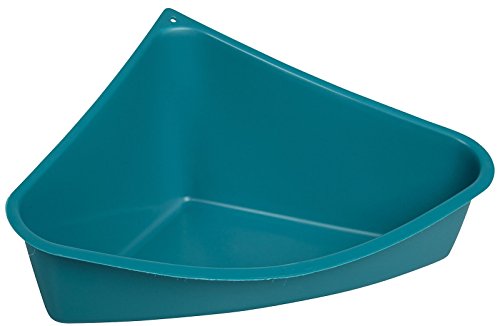
Corner pans use a rabbit's natural preference for corners and fit neatly into a pen, though many are too small for larger breeds to sit and eat in. They shine for smaller rabbits and tight setups. Combo units that attach a hay feeder to the box take advantage of the graze-and-go habit, keeping hay clean and right where your rabbit sits. Just make sure any combo's litter area is big enough for your particular rabbit.
| Box style | Best for | Watch out for |
|---|---|---|
| Large rectangular | Most rabbits, everyday use | Needs floor space |
| High-back | Rabbits that spray | Front must stay low for entry |
| Shallow tray | Babies, seniors, arthritis | Less spray containment |
| Corner pan | Small rabbits, tight pens | Often too small for big breeds |
The Bottom Line
When in doubt, buy a box bigger than you think you need, with a low front for easy entry, and place it in the corner your rabbit already prefers. A roomy pan topped with hay does more for reliable litter habits than any clever feature. Choose a high-back model if your rabbit sprays and a shallow tray if mobility is a concern. If an older rabbit struggles to climb in, a low box and a vet check for arthritis can both help.
Related Litter Guides
- Rabbit Litter Box Setup - How to arrange box, litter, and hay.
- How Many Litter Boxes Does a Rabbit Need? - Placement and numbers.
- Best Litter for Rabbits - Safe, absorbent fillings to pair with your box.
Frequently Asked Questions
What size litter box does a rabbit need?
Bigger than most people expect. A rabbit should be able to sit fully inside the box with room to turn around and graze on hay, so the box should be at least as long as your rabbit when stretched out. For an average rabbit that means a pan roughly 15 to 18 inches long. Cats' litter boxes and large storage tubs often work better than tiny pet-store corner pans, especially for bigger breeds or multiple rabbits sharing one box.
Are corner litter boxes good for rabbits?
Corner litter pans can work well because rabbits naturally pick corners for their bathroom, and the triangle shape tucks neatly into a pen. The main drawback is that many corner pans are too small for an adult rabbit to sit comfortably and eat hay. They suit smaller rabbits and tight spaces, but larger bunnies often do better with a roomy rectangular pan. Whichever you choose, it should fit your rabbit and the corner it already favors.
Should a rabbit litter box have high sides or low sides?
It depends on your rabbit. Low sides or a low entry cut-out are essential for babies, seniors, and rabbits with arthritis or limited mobility who cannot climb easily. High backs and sides help contain urine from rabbits who back up and spray over the edge, a common habit. A good compromise is a pan with one low front for easy access and higher back and side walls. Always prioritize easy entry over splash control.
Do rabbit litter boxes with grates or wire bottoms help?
Litter boxes with a removable grate keep a rabbit's feet out of soiled litter, which some owners like. The catch is that resting on wire can contribute to sore hocks over time, and many rabbits prefer to sit directly on hay and litter. If you use a grate, watch your rabbit's feet for redness and consider removing it in favor of a thin litter layer topped with hay, which most rabbits find more comfortable.
Can I use a regular cat litter box for a rabbit?
Yes, a standard rectangular cat litter pan is one of the best and cheapest rabbit litter boxes, especially a large or high-back model. It gives a rabbit plenty of room to sit and eat hay, and the high-back styles contain urine well while leaving a low front for entry. Avoid covered or hooded cat boxes, which trap ammonia and feel cramped. A simple shallow storage tub with a cut-down side works just as well.
How many litter boxes should I have?
At minimum one box per rabbit, plus an extra wherever your rabbit likes to go. For a single free-roaming rabbit, placing a box in each favored corner of their space dramatically reduces accidents. Bonded pairs often share but benefit from a box large enough for both or two boxes side by side. More boxes generally mean better accuracy, especially while a rabbit is still learning or as you expand their roaming area.
Need more help caring for your rabbit?
Browse our guides by topic to find practical solutions.
Wellness Planner: $39