Why Is My Rabbit Not Eating? (Act Fast)
A rabbit that won't eat is an emergency. Learn the urgent causes, what to do right now, how it links to GI stasis, and when to rush to an exotic vet.
If your rabbit has stopped eating, take a breath, then take it seriously. This is one of the most urgent situations in rabbit care, because a rabbit's digestive system is designed to be in near-constant motion. When eating stops, the gut can slow into a dangerous condition called GI stasis within hours. The good news is that prompt action turns most of these situations around. This guide will help you understand why it happens, what to do right now, and when to get to the vet, which with a non-eating rabbit is almost always soon.
Please read the urgent box below first if your rabbit is not eating as you read this. The rest of the guide explains the causes and prevention. This is educational and not a substitute for veterinary care.
Not Eating? Here Is What to Do Now
A rabbit that has not eaten or passed droppings in 12 hours is an emergency. Call a rabbit-savvy or exotic vet for a same-day appointment. While you arrange care, offer favorite fresh greens, make sure water is easy to reach, and keep your rabbit warm and calm. Do not force-feed or massage the belly until a vet rules out a blockage.
Have These Ready for an Appetite Emergency

Oxbow Critical Care Recovery Formula
Vet-recommended high-fiber food to syringe-feed a rabbit that won't eat
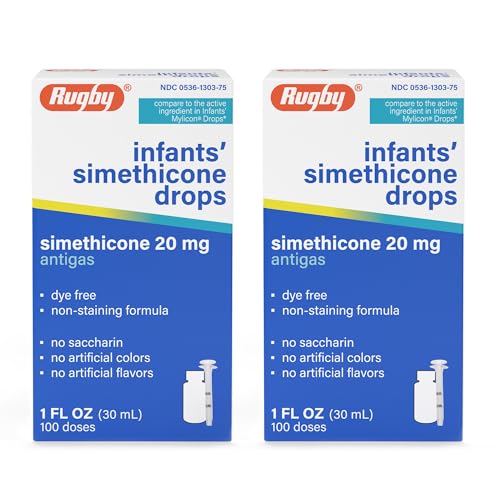
Rugby Infant Simethicone Gas Drops
Dye-free simethicone helps relieve painful gas that suppresses appetite


Why Not Eating Is So Serious in Rabbits
A rabbit's gut depends on a steady stream of fiber to keep its muscular waves of motion going. Stop the food, and that motion slows. Contents dry out and compact, gas-producing bacteria multiply, and the rabbit becomes bloated and painful, which makes it eat even less. This is GI stasis, the most common life-threatening emergency in rabbits, and it can become critical within a day or two. That is why not eating is never something to watch and wait on the way you might with another pet. With rabbits, appetite loss is both a symptom and, very quickly, a cause of serious illness.
The Common Causes
Almost anything that makes a rabbit feel unwell can switch off its appetite. The usual suspects include:
- Dental pain: Overgrown teeth or sharp molar spurs make chewing hurt. This is the most common hidden cause, especially when a rabbit refuses hay but nibbles soft food.
- GI stasis or gas: A slowing gut and painful gas bubbles quickly kill appetite.
- Pain elsewhere: A urinary problem, arthritis, sore hocks, or any internal discomfort.
- Stress: A move, a new pet, loud noise, travel, or losing a bonded partner.
- Illness: Respiratory infection, E. cuniculi, or another underlying disease.
- Diet problems: A sudden food change, spoiled food, or a diet too low in hay.
Because the cause is often hidden inside the mouth or gut, finding it is a job for your vet. Treating the appetite without treating the cause rarely works for long.
Rabbit Care Planner
Track your rabbit's health, meds, vet visits, mobility, nutrition, and quality of life, all in one printable planner.
What to Do, Step by Step
- Confirm it is real: Offer a favorite treat, herb, or green. A rabbit refusing its top favorite is a serious signal.
- Check the litter box: Note whether droppings are smaller, fewer, or absent, and tell your vet.
- Call your vet now: Not eating warrants a same-day appointment. Do not wait overnight.
- Keep your rabbit comfortable: Warm, calm, and with water and tempting greens within reach.
- Follow veterinary guidance: Once a blockage is ruled out, you may syringe-feed recovery formula and give simethicone for gas as directed.
- Encourage gentle movement: If your rabbit is able, light activity helps the gut, but never force it.
Two firm cautions: do not give belly massage or fluids on your own if a full blockage has not been ruled out, and never give a rabbit medication meant for people or other pets without veterinary direction.
How the Vet Helps
At the clinic, an exotic vet will examine your rabbit, check the teeth, feel the abdomen, and sometimes take x-rays to distinguish a slowed gut from a true obstruction. Treatment commonly includes pain relief, fluids to rehydrate the gut, gut-motility medication once a blockage is ruled out, and assist feeding. Just as importantly, the vet hunts for the underlying cause, whether that is a painful tooth, gas, or another illness. Most rabbits seen early do well, which is exactly why fast action matters so much.
The Hay Clue
One pattern deserves special mention because owners miss it so often. A rabbit that ignores hay but still eats pellets, treats, or soft greens is usually not being fussy. It is frequently telling you that chewing tough hay hurts, which points straight to dental disease. Since hay should make up about 80 percent of the diet, a rabbit off its hay is not eating properly even if it appears to be snacking. If you notice this selective eating, mention it specifically to your vet so the back teeth get checked.
Preventing the Next Time
The best defense against appetite emergencies is excellent everyday care:
- Hay first, always: Unlimited grass hay keeps both teeth and gut working.
- Measured pellets, daily greens, tiny treats: A balanced diet that does not crowd out hay.
- Fresh water always available: Dehydration alone can slow the gut.
- Daily exercise and a calm home: Movement and low stress keep things moving.
- Regular dental checks: Catch tooth problems before they stop your rabbit eating.
- Weekly weigh-ins and daily litter checks: Notice the earliest hint of trouble.
A rabbit that will not eat is frightening, but you are not helpless. Recognize how urgent it is, act quickly, support your rabbit while you get to the vet, and lean on a rabbit-savvy professional. Fast, calm action is the single biggest factor in a happy outcome.
Related Guides
- GI Stasis in Rabbits - The emergency that not eating can become.
- Dental Disease and Molar Spurs - The most common hidden cause of appetite loss.
- When to Take a Rabbit to the Vet - Red flags and finding an exotic vet.
Frequently Asked Questions
Is it an emergency if my rabbit won't eat?
Yes, treat a rabbit that has stopped eating as an emergency. Rabbits graze almost constantly, so a real loss of appetite is abnormal and dangerous. A rabbit not eating for 12 hours, or one producing no droppings, needs a same-day exam with a rabbit-savvy or exotic vet, because not eating quickly leads to GI stasis, which can be fatal within a day or two. Do not wait overnight to see if the appetite returns. If your rabbit refuses even a favorite treat or herb, take it seriously and act quickly rather than hoping it passes.
What is the most common reason a rabbit stops eating?
The most common driver is pain, and the most common hidden source of that pain is dental disease, such as overgrown teeth or sharp molar spurs that make chewing hurt. Other frequent causes include GI stasis itself, gas, stress from a change in environment, an underlying illness, or a diet problem. Often it becomes a vicious cycle: something causes discomfort, the rabbit eats less, the gut slows, gas builds up, and the rabbit feels even worse. That is why finding and treating the root cause, with your vet, matters as much as restarting the appetite.
How long can a rabbit safely go without eating?
Not long at all. Because a rabbit's digestive system needs a constant flow of fiber to keep moving, even a short fast is risky. As a practical rule, 12 hours without eating or without passing droppings is an emergency that warrants a vet call, and the danger climbs sharply after 24 hours. A rabbit's gut can slow into stasis surprisingly fast once it stops taking in food. So do not use the same wait-and-see timeline you might with a cat or dog. With rabbits, hours matter, not days.
What can I do at home if my rabbit won't eat?
First, call your vet, because not eating needs professional assessment. While arranging care, you can tempt your rabbit with fresh favorite greens and herbs, ensure fresh water is easy to reach, and keep the rabbit warm and calm. Once a vet has ruled out a blockage, you may be guided to syringe-feed a high-fiber recovery formula and offer infant simethicone for gas. Encourage gentle movement if your rabbit is able. Do not force-feed or massage the belly without veterinary guidance, and never give medications meant for other animals.
My rabbit is eating treats but not hay. Is that a problem?
Yes, this pattern is a meaningful warning sign. A rabbit that turns down hay but still nibbles soft or sweet foods is often telling you that chewing tough hay hurts, which commonly points to dental disease like molar spurs. It can also signal early gut trouble. Hay should be about 80 percent of the diet, so a rabbit refusing it is not eating properly even if it seems to be snacking. Mention this specific behavior to your vet, since selective eating away from hay is a classic clue that the back teeth need checking.
Could stress make my rabbit stop eating?
Absolutely. Rabbits are sensitive animals, and stress is a well-known trigger for appetite loss and GI stasis. A house move, a new pet or person, loud noises, a change in routine, travel, or the loss of a bonded partner can all be enough to make a rabbit stop eating. Reducing stress helps, but because stress-related appetite loss can still spiral into dangerous stasis, you should not simply wait it out. If your rabbit has not eaten despite a calm environment, treat it as you would any case of not eating and contact your vet promptly.
How do I prevent appetite loss in the future?
Build your routine around a hay-first diet, with unlimited grass hay as roughly 80 percent of what your rabbit eats, a measured portion of pellets, daily leafy greens, and only tiny treats. Provide fresh water at all times, daily exercise, and a calm, stable home. Keep up with regular dental checks, since hidden tooth pain is a leading cause of not eating, and weigh your rabbit weekly to catch subtle declines early. Knowing your rabbit's normal appetite means you will notice the very first hint that something is off.
Need more help caring for your rabbit?
Browse our guides by topic to find practical solutions.
Wellness Planner: $39