Rabbit Supplies List: The Master Checklist
The complete rabbit supplies list by category: housing, diet, litter, grooming, health, and travel, with a handy table to set up your bunny right.
Whether you are setting up for a brand-new bunny or filling gaps in an existing home, a clear supplies list takes the guesswork out of rabbit care. The truth is that rabbits need surprisingly little to thrive: good hay, safe space, clean water, a tidy bathroom, and a patient human. This master list organizes everything by category so nothing slips through the cracks, from housing and diet to grooming, health, and travel. Everything here reflects House Rabbit Society best practices and exotic-vet guidance, with cozy practicality in mind.
Let us start with the diet and feeding basics, since food is where rabbit health begins. These four cover the daily essentials.
Diet and Grooming Essentials


Oxbow Oxbow Essentials Adult Pellets
A small, measured portion of timothy-based pellets daily

TiereCare Metal Hay Feeder Rack (2pc)
Keeps hay clean and dry, separate from the litter

Crafterlife Crafterlife Small Animal Grooming Kit
Soft brush and tools for managing molts and loose fur
The Complete Supplies List by Category
Here is the full picture at a glance. Work through it category by category and check off what you already have.
| Category | Must-have supplies | Nice extras |
|---|---|---|
| Housing | Exercise pen, washable mat, hideout | Second hide, tunnel, multi-level setup |
| Diet | Grass hay, timothy pellets, fresh greens, water bowl | Hay feeder rack, second hay variety |
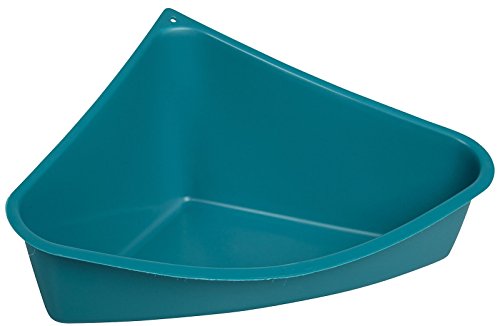
| Litter | Large litter box, paper-based litter | Corner pan for play area, litter scoop |
| Grooming | Soft brush, nail clippers | Silicone grooming mitt, fur comb |
| Health | Gram scale, soft towel, vet contacts | Feeding syringe, first-aid awareness kit |
| Travel | Ventilated carrier, non-slip liner | Travel water bottle, familiar hide |
Housing Supplies
Your rabbit's home base should be roomy enough to hop, stretch up on the hind legs, and binky. A large exercise pen beats a cramped cage and adapts as your bunny earns more roaming space. Add a washable mat for traction on slick floors and at least one hideout, since a place to retreat helps a prey animal feel secure. Avoid wire-bottom enclosures, which contribute to sore hocks. Think of any enclosure as a cozy den rather than a place your rabbit lives around the clock.
Diet and Feeding Supplies
Hay leads the way, with timothy or another grass hay offered without limit. Pellets are a supplement, so a measured daily portion of timothy-based pellets is plenty for an adult. Add fresh leafy greens once your rabbit is settled, introducing new ones slowly to protect the gut. A heavy ceramic bowl encourages natural drinking, and a hay feeder rack keeps hay clean and appealing. Skip sugary commercial treats and seed or yogurt-drop mixes, which are not suited to a rabbit's sensitive digestive system.
Rabbit Care Planner
Track your rabbit's health, meds, vet visits, mobility, nutrition, and quality of life, all in one printable planner.
Litter, Grooming, and Health Supplies
For the bathroom, choose a generously sized litter box and a paper-based litter, then top it with hay to encourage good habits. Grooming centers on a soft brush, used more often during seasonal molts to reduce swallowed fur, plus nail clippers for regular trims. On the health side, a gram scale lets you catch weight loss early, and knowing the signs of GI stasis, malocclusion, and sore hocks helps you act fast. Never bathe your rabbit, and keep your exotic-vet number close.
Rounding out the list are the travel and free-roam pieces that make daily life smoother and safer.
Travel and Free-Roam Supplies


GUTINNEEN GUTINNEEN Rabbit Playpen
Flexible pen to define free-roam space and keep buns safe
A Note on Spending Wisely
You do not need to buy everything at once or splurge on the fanciest gear. Prioritize the daily essentials, hay above all, then build out grooming, health, and travel supplies as you go. Cardboard boxes make wonderful free hideouts and chews, and a storage bin can become a roomy litter box. Where it truly counts is veterinary care, so keep a savings cushion for routine and emergency exotic-vet visits. A well-stocked, sensible supply list sets your rabbit up for a long, comfortable life of 8 to 12 happy years.
Related Rabbit Guides
Frequently Asked Questions
What is the single most important rabbit supply?
Grass hay, without question. Unlimited timothy or another grass hay should make up about 80 percent of an adult rabbit's diet because the long fibers keep the digestive tract moving and grind down continuously growing teeth. No bowl, toy, or accessory matters as much as a steady, abundant supply of fresh hay. If your budget is tight, prioritize quality hay over almost everything else and offer a generous fresh pile every single day.
Do rabbits need bedding in their litter box?
Rabbits do not need fluffy bedding to burrow in the way some small pets do, but they do need an absorbent, safe litter in their box. A paper-based litter topped with a handful of hay works beautifully and controls odor. Avoid clay clumping litters, which are dangerous if eaten, and pine or cedar shavings, which can irritate the respiratory system. For comfort outside the box, a washable fleece mat gives traction and warmth.
What grooming supplies does a rabbit need?
A soft brush is the main tool, since rabbits shed heavily during seasonal molts and swallowed fur can contribute to gut slowdowns. Brush several times a week, daily during a heavy molt, to remove loose coat. A small grooming kit with a brush and nail clippers covers most needs. Never bathe a rabbit, since water immersion is highly stressful and can cause shock. Spot-clean a soiled bottom with a damp cloth instead.
Do I need a carrier for my rabbit?
Yes, a sturdy carrier is essential even for indoor-only rabbits, because you will need it for vet visits and emergencies. Choose one that is well ventilated and large enough for your bunny to turn around, and line it with a non-slip mat and some hay. Getting your rabbit used to the carrier during calm moments makes stressful trips easier. Keep it accessible rather than buried in a closet so you can move quickly in an emergency.
What health supplies should I keep on hand?
Build a small rabbit first-aid awareness kit and, more importantly, know the warning signs. Keep a soft towel for safe handling, a digital gram scale to track weight, and a syringe in case your vet directs you to give fluids or critical-care food. Always have your rabbit-savvy vet's number and an emergency clinic ready. A rabbit that stops eating or passing droppings may have GI stasis, which is an emergency requiring same-day care.
How much should I budget for ongoing rabbit supplies?
Beyond the one-time setup, plan for recurring costs like hay, pellets, fresh greens, and litter, which together often run 40 to 70 dollars a month depending on your rabbit's size and your local prices. Chew toys and grooming tools are occasional purchases. The bigger budget line is veterinary care: routine exams plus a cushion for emergencies, since exotic-vet visits cost more than typical cat or dog appointments. Pet insurance or a savings buffer helps.
Are bowls or bottles better for rabbit water?
Many rabbit-savvy vets lean toward heavy ceramic bowls because rabbits drink more deeply and naturally from an open dish, supporting hydration and healthy digestion. A weighted bowl resists tipping and chewing. Bottles keep water cleaner and work well in a pen, so some owners offer both and let the rabbit choose. Whatever you use, change the water daily and scrub the container often, since rabbits dislike stale or slimy water.
Need more help caring for your rabbit?
Browse our guides by topic to find practical solutions.
Wellness Planner: $39