Rabbit Sitting and Vacation Guide for Bunny Owners
Traveling without your rabbit? Learn pet sitter vs boarding, a sitter instruction checklist, supplies to stock, and emergency vet planning for safe trips.
Planning a trip when you share your home with a rabbit takes a little more thought than it does for a cat or a dog. Rabbits are delicate prey animals that hide illness instinctively, and their fast-moving digestive systems can go from fine to frightening in less than a day. The good news is that with a thoughtful sitter, a stocked supply shelf, and a clear emergency plan, you can travel with peace of mind. This guide walks you through every piece so your bunny stays safe, fed, and calm while you are away.
Stock These Before You Travel

TiereCare Metal Hay Feeder Rack (2pc)
Keeps several days of clean hay within easy reach for the sitter.
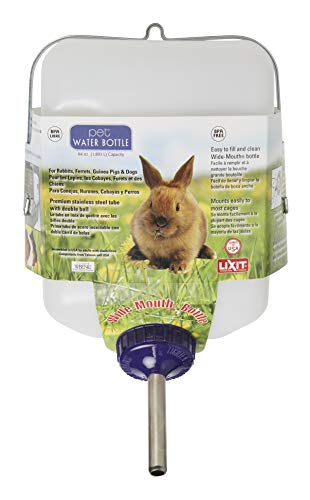
Lixit Lixit All-Weather 64oz Water Bottle
Large reservoir means fresh water lasts between sitter visits.


Oxbow Oxbow Western Timothy Hay
Stock extra of your rabbit's usual hay so the sitter never runs short.
Why rabbits cannot be left alone like other pets
It is tempting to think of a rabbit as low-maintenance enough to leave with an extra bowl of food for a weekend. Please do not. A rabbit's gut needs to keep moving constantly, fueled by a near-endless supply of grass hay. When a rabbit stops eating, even for a stressful or painful reason you cannot see, the gut can slow or stop entirely. This is called GI stasis, and it is one of the most common rabbit emergencies. Left unaddressed, it can become life threatening within a day.
Because rabbits are prey animals, they instinctively mask pain and illness so they do not look like an easy target. That means the early signs are subtle: a slightly smaller pile of droppings, a rabbit sitting quietly in a corner, hay that is barely touched. A caretaker has to actually watch and observe, not just top off the bowl. This is exactly why a daily human check-in is non-negotiable when you travel.
Pet sitter vs boarding: choosing the right care
You have two main options when you leave town: bring a sitter to your rabbit, or board your rabbit somewhere else. For most rabbits, an in-home sitter is the calmer choice. Rabbits are deeply territorial and find comfort in familiar smells, their own litter box habits, and an unchanged routine. Staying home removes the stress of a strange environment on top of your absence.
Boarding can be a fine option if the facility is genuinely rabbit-savvy. Look for a place that houses rabbits away from dogs, cats, and other predator species, keeps enclosures clean and quiet, understands a hay-based diet, and has a relationship with an exotic vet. A regular kennel built for dogs is usually too loud and stressful for a sensitive bunny. Whoever cares for your rabbit, the most important quality is that they can read rabbit body language and recognize an emergency.
Your rabbit-sitter instruction checklist
Never assume a sitter knows rabbit care, even an experienced pet sitter. Write everything down and walk through it in person if you can. A clear, specific set of instructions protects your rabbit and takes pressure off your caretaker. Print this and leave it on the fridge or by the enclosure.
- Feeding: how much hay (unlimited, keep the rack full), the exact pellet portion and when, which greens are safe and how much, and where each item is stored.
- Water: how to refill the bottle or bowl, and a reminder to check it is flowing and clean at every visit.
- Litter and cleaning: where the litter box is, what litter to use, and how often to scoop.
- Observation: ask the sitter to watch the rabbit eat, count droppings, and note energy level at each visit.
- Personality: your rabbit's normal habits, hiding spots, whether it likes to be approached, and any quirks.
- Do-not list: no bathing, no new foods, no letting the rabbit outside, no other animals near the enclosure.
- Contacts: your phone number, a local backup person, your exotic vet, and a 24-hour emergency exotic hospital.
- Vet permission: a written note authorizing the sitter to seek veterinary care, with a spending limit if you want one.
Rabbit Care Planner
Track your rabbit's health, meds, vet visits, mobility, nutrition, and quality of life, all in one printable planner.
Supplies to stock before you go
Run low on supplies mid-trip and you put your sitter in a bind, so overstock everything. Set out more than you think you need, grouped where the sitter can find it easily.
| Supply | Why it matters | How much to leave |
|---|---|---|
| Grass hay | The foundation of the diet, fed unlimited all day | At least double the trip length |
| Pellets | Daily measured supplement | Pre-portion into labeled bags or cups |
| Fresh greens | Familiar vegetables your rabbit already eats | Enough for each day, or note where to buy |
| Water source | Clean water must always be available | A large bottle plus a backup bowl |
| Litter | Keeps the enclosure clean between visits | Extra bag in plain sight |
| Carrier | Ready for an emergency vet run | Out and accessible, not buried in a closet |
A large water bottle such as an all-weather 64-ounce bottle gives a comfortable buffer between visits, and a metal hay feeder rack lets the sitter load several days of clean hay at once. Keep a carrier out and visible so that if a vet trip is needed, no one is hunting for it in a panic.
Build an emergency plan before you leave
Hope you never need it, but set it up anyway. Write down your regular exotic vet's name, address, and phone number, and find a separate 24-hour exotic or emergency hospital in case something happens overnight or on a weekend. Confirm both see rabbits, because many emergency clinics treat only cats and dogs. Leave written permission for your sitter to authorize care, and let your vet know someone else may bring your rabbit in while you are away.
Teach your sitter the red flags that mean call now: no eating, no droppings or tiny ones, a hunched posture, loud tooth grinding from pain, fast breathing, a bloated belly, or a sudden head tilt. With rabbits, waiting to see if it improves can be costly, so the safe default is always to call the exotic vet. A few minutes of planning now can make the difference in an emergency later.
Coming home and settling back in
When you return, resist the urge to scoop up your rabbit for a big reunion right away. Many rabbits need a little time to readjust, and some act briefly aloof or grumpy. Sit nearby, offer a favorite green, and let your bunny come to you. Check the litter box and hay intake yourself for the first day or two, and ask your sitter how things went, especially around appetite and droppings. If anything seems off, an early call to your exotic vet is always the right move.
Traveling as a rabbit owner is absolutely doable. With a trusted caretaker who visits daily, a generously stocked supply shelf, clear written instructions, and an emergency plan in place, you can enjoy your trip knowing your bunny is in good hands. As always, your rabbit-savvy exotic vet is your best partner for any health questions before or after you go.
Frequently Asked Questions
Can I leave my rabbit alone for a weekend?
It is risky, and most exotic vets advise against it. Rabbits hide illness well, and GI stasis can turn from a skipped meal into an emergency within 12 to 24 hours. A rabbit left from Friday to Sunday could go a full day in distress before anyone notices. If you must travel, arrange for someone to physically visit at least once, ideally twice, every day to check appetite, droppings, water, and behavior.
Is a pet sitter or boarding better for rabbits?
For most rabbits, an in-home sitter is gentler. Rabbits are territorial and stress easily, so staying in their own space with familiar smells, hay, and routine is calming. Boarding can work if the facility is rabbit-savvy, keeps rabbits away from predator species like dogs and cats, and has exotic-vet access. Wherever your rabbit stays, the caretaker should know rabbit body language and emergency warning signs.
How often does a rabbit sitter need to visit?
Aim for two visits a day, morning and evening, with a minimum of one thorough daily visit. Each stop should include refilling hay and water, offering fresh greens and pellets, scooping the litter box, and watching your rabbit eat and move. Counting droppings is the single fastest way to catch trouble early. A sitter who only refills food without observing the rabbit is not enough for a fragile prey animal.
What should I write in my rabbit-sitting instructions?
Include feeding amounts and times, where supplies are stored, litter box routine, your rabbit's normal personality, and a clear list of warning signs. Most importantly, leave your exotic vet's name, address, and phone number, plus a 24-hour emergency exotic hospital, and written permission to seek care. Add your contact info and a backup person. The more specific you are, the safer your rabbit will be while you are away.
What are the emergency signs a sitter should watch for?
Train your sitter to call the vet immediately if the rabbit stops eating, produces no droppings or very small ones, sits hunched and still, grinds its teeth loudly in pain, breathes fast, has a bloated belly, or shows a sudden head tilt. Any of these can signal GI stasis or another emergency. With rabbits, hours matter, so it is always better to call the exotic vet than to wait and see.
Should I change my rabbit's diet before I travel?
No, keep everything exactly the same. Travel is not the time to switch hay brands, try new greens, or introduce different pellets, since sudden diet changes can trigger soft stools or GI upset. Stock plenty of your rabbit's usual hay, pellets, and familiar vegetables so the sitter never runs short. Consistency in food, schedule, and environment is one of the best ways to keep a rabbit calm and healthy while you are gone.
Can I take my rabbit with me on vacation instead?
Sometimes, but travel is stressful for rabbits, so it is usually better to leave them home with a sitter. If you must bring your rabbit, use a secure, ventilated carrier, never leave them in a hot car, and pack their normal hay, water, and a familiar hideout. Plan rest stops to offer water and check on them. For most trips, a calm rabbit at home with a trusted caretaker is the safer choice.
Need more help caring for your rabbit?
Browse our guides by topic to find practical solutions.
Wellness Planner: $39