Timothy vs Alfalfa Hay: Which Does Your Rabbit Need?
Timothy vs alfalfa hay for rabbits compared: calcium, protein, calories, and when each is right, plus the verdict for babies and adult bunnies.
Hay is the most important food in a rabbit's life, but not all hay plays the same role. Two types often confuse new owners: timothy and alfalfa. They look similar in the bag, yet nutritionally they are worlds apart, and feeding the wrong one to the wrong rabbit can cause real health problems. The short version is that alfalfa is for babies and special cases, while grass hay like timothy is the everyday hay for adults. Here is how to tell them apart and choose correctly.
Pick the Right Hay for Your Rabbit's Stage

Oxbow Oxbow Western Timothy Hay
Grass hay for adult rabbits: high fiber, low calcium, fed unlimited.

Kaytee Kaytee Alfalfa Mini Bale
Rich legume hay for growing babies and recovering rabbits.
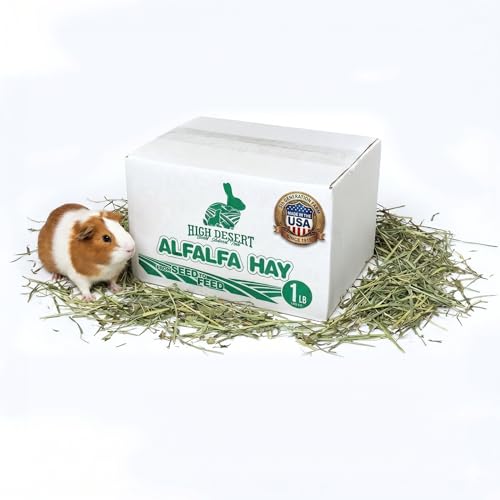
High Desert High Desert Alfalfa Hay for Young Rabbits
Extra protein and calcium for rabbits under about 7 months.
Grass versus legume: the core difference
Timothy is a grass hay. Like orchard and meadow hay, it is a stringy, fibrous plant that delivers the long fiber a rabbit's gut and teeth depend on, with relatively modest calcium, protein, and calories. Alfalfa is a legume, botanically closer to peas and beans than to grass. That gives it a much richer profile: notably more calcium, more protein, and more calories per bite. Neither is good or bad on its own. The right choice depends entirely on the rabbit eating it.
Timothy vs alfalfa at a glance
| Factor | Timothy (Grass Hay) | Alfalfa (Legume Hay) |
|---|---|---|
| Plant type | Grass | Legume |
| Calcium | Lower | High |
| Protein | Moderate | High |
| Calories | Lower | Higher |
| Best for | Healthy adults (7+ months) | Babies, underweight, recovering rabbits |
| Main risk if misused | None for adults | Bladder sludge, weight gain in adults |
| How to feed | Unlimited, all day | Per vet guidance, transition off by 7 months |
Why adults should stick to grass hay
Rabbits excrete excess calcium through their urine, so a diet rich in calcium can lead to thick, sludgy urine and even bladder stones, both painful and potentially serious. Alfalfa's high calcium makes it a poor everyday choice for an adult. Add in the extra calories and protein, which promote obesity and soft stools, and you can see why grass hay is the standard for grown rabbits. Timothy and other grass hays give all the fiber benefits, supporting the constant chewing that wears down ever-growing teeth and keeps the gut moving, without the richness.
When alfalfa is exactly right
Alfalfa shines for the rabbits who need extra building blocks. Babies under about seven months are growing fast and benefit from the added protein and calcium. Underweight, ill, or recovering rabbits may need the extra calories to regain condition, and pregnant or nursing does sometimes benefit under veterinary supervision. For these rabbits, alfalfa is a helpful tool. The key is to use it for the right rabbit, at the right stage, and to plan the transition off it as a youngster matures.
How to transition from alfalfa to timothy
Around six to seven months of age, start the switch gradually over a couple of weeks. Mix a little grass hay into the alfalfa, then steadily increase the grass portion until your rabbit is eating timothy or another grass hay alone. Do the same with pellets, moving from an alfalfa-based formula to a timothy-based one. Because alfalfa tastes sweeter, some rabbits resist at first, so patience and a slow pace help. Keep the hay rack full and monitor droppings throughout the change.
Our Recommendation
The verdict: match the hay to your rabbit's life stage. Feed alfalfa hay only to babies under about seven months and to underweight or recovering rabbits who need the extra calcium, protein, and calories, since alfalfa raises bladder-sludge and weight risks in healthy adults. For every adult rabbit, make a grass hay like Oxbow Western Timothy Hay the unlimited, all-day foundation of the diet. Transition youngsters off alfalfa gradually as they reach maturity. As always, confirm the right plan for your individual rabbit with a rabbit-savvy exotic vet, especially if it has any history of urinary problems.
Rabbit Care Planner
Track your rabbit's health, meds, vet visits, mobility, nutrition, and quality of life, all in one printable planner.
For the hay itself, see our Oxbow Western Timothy 40 lb review and the Small Pet Select 2nd cutting review.
Frequently Asked Questions
What is the main difference between timothy and alfalfa hay?
Timothy is a grass hay, while alfalfa is a legume, more like a bean plant than a grass. That difference matters in the bowl. Alfalfa is much higher in calcium, protein, and calories than timothy, which makes it great for growing babies and underweight rabbits but too rich for healthy adults. Timothy provides the long fiber and modest nutrition an adult rabbit needs day to day. Most adult rabbits should eat grass hay, not alfalfa.
When should a rabbit eat alfalfa hay?
Alfalfa suits specific situations: young rabbits under about seven months, who need extra protein and calcium to grow, and underweight, ill, or recovering rabbits who need more calories. Pregnant or nursing does may also benefit under veterinary guidance. For these rabbits, alfalfa's richness is a feature, not a flaw. For a healthy adult, though, that same richness becomes a liability. Always confirm with a rabbit-savvy exotic vet before keeping an adult on alfalfa.
Why is alfalfa bad for adult rabbits?
It is not toxic, just too rich for ongoing adult feeding. The high calcium can contribute to bladder sludge and stones, since rabbits excrete excess calcium through their urine. The extra calories and protein promote weight gain and can lead to soft stools and selective eating. An adult rabbit on unlimited alfalfa often becomes overweight and may develop urinary problems. Grass hay like timothy avoids these issues while still supporting teeth and gut health.
How do I switch my rabbit from alfalfa to timothy?
Around six to seven months of age, transition gradually over a couple of weeks. Start mixing increasing amounts of timothy or other grass hay into the alfalfa, slowly shifting the ratio until your rabbit is on grass hay alone. A slow change lets the sensitive gut adjust and reduces fussiness, since some rabbits initially prefer sweeter alfalfa. Do the same gentle transition with pellets, moving from alfalfa-based to timothy-based formulas. Watch droppings during the switch.
My adult rabbit refuses timothy and loves alfalfa. What do I do?
This is common, since alfalfa tastes sweeter. Transition slowly rather than going cold turkey, mixing a little grass hay in and increasing it over a couple of weeks. Try different grass hays, since some rabbits prefer orchard or meadow hay over timothy, and offering fresher, greener, softer hay can help. Keep the hay rack full and remove competing pellets and treats temporarily. If your rabbit still will not eat hay, talk with your exotic vet.
Can babies and adults share the same hay?
It is better to feed them according to their stage. A baby under seven months thrives on alfalfa, while an adult should eat grass hay, so a single shared pile is not ideal. In a mixed-age home, offer alfalfa to the youngster and grass hay to the adult in separate areas, and monitor that each is eating the right one. Once the youngster matures, transition it to grass hay too, and everyone can share.
Is alfalfa the same as an alfalfa-based pellet?
They are related but not identical. Alfalfa hay is the dried legume plant itself, while alfalfa-based pellets are a processed feed made largely from alfalfa. Both are rich and suited to babies, growing rabbits, and recovery cases rather than healthy adults. When you transition a young rabbit to an adult diet, you typically switch both the hay and the pellet from alfalfa-based to timothy-based versions at the same gradual pace.
Need more help caring for your rabbit?
Browse our guides by topic to find practical solutions.
Wellness Planner: $39